
A Historic Oceanfront Landmark
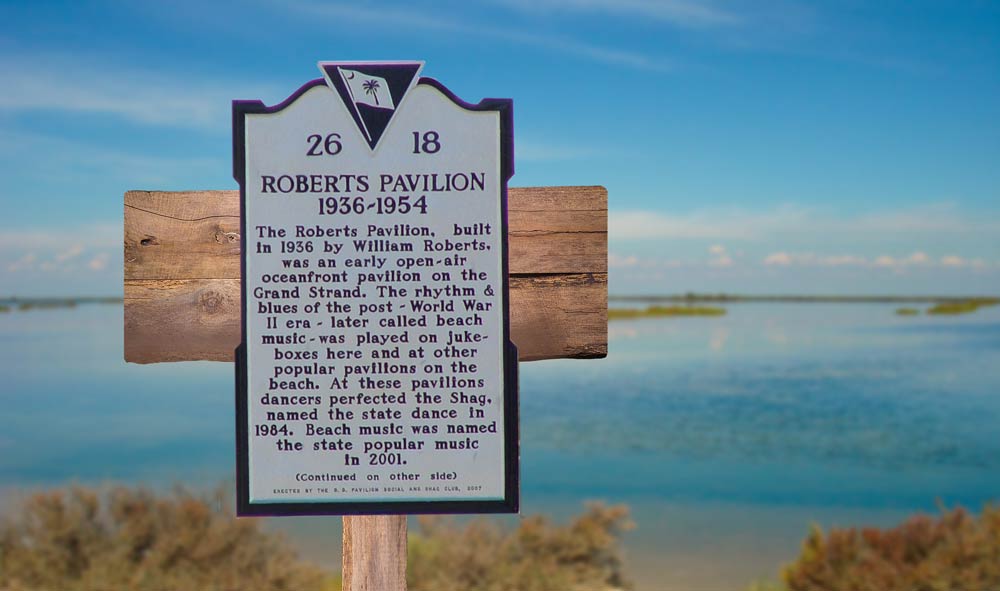
Built in 1936 by William Roberts, this open-air pavilion quickly became a gathering place for locals and visitors alike. During the Great Depression era, Roberts Pavilion offered a lively escape where people could enjoy the ocean breeze while listening to soulful rhythms and dancing the night away. Its unique design and seaside location made it an iconic spot along the Grand Strand.
Pioneers of Beach Music and Legendary Performers
In its early years, Roberts Pavilion hosted some of the most influential bands and performers that helped shape the beach music genre. Legendary acts like The Embers, The Catalinas, The Fantastic Shakers, The Blue Water Ramblers, and The Tams graced its stage. Other notable performers included The Drifters, The Coasters, and local favorites like Bill Deal and the Rhondels. These artists played a vital role in defining Myrtle Beach’s musical identity, blending rhythm and blues, jazz, and gospel into a uniquely Southern sound.
The Birthplace of the Shag Dance
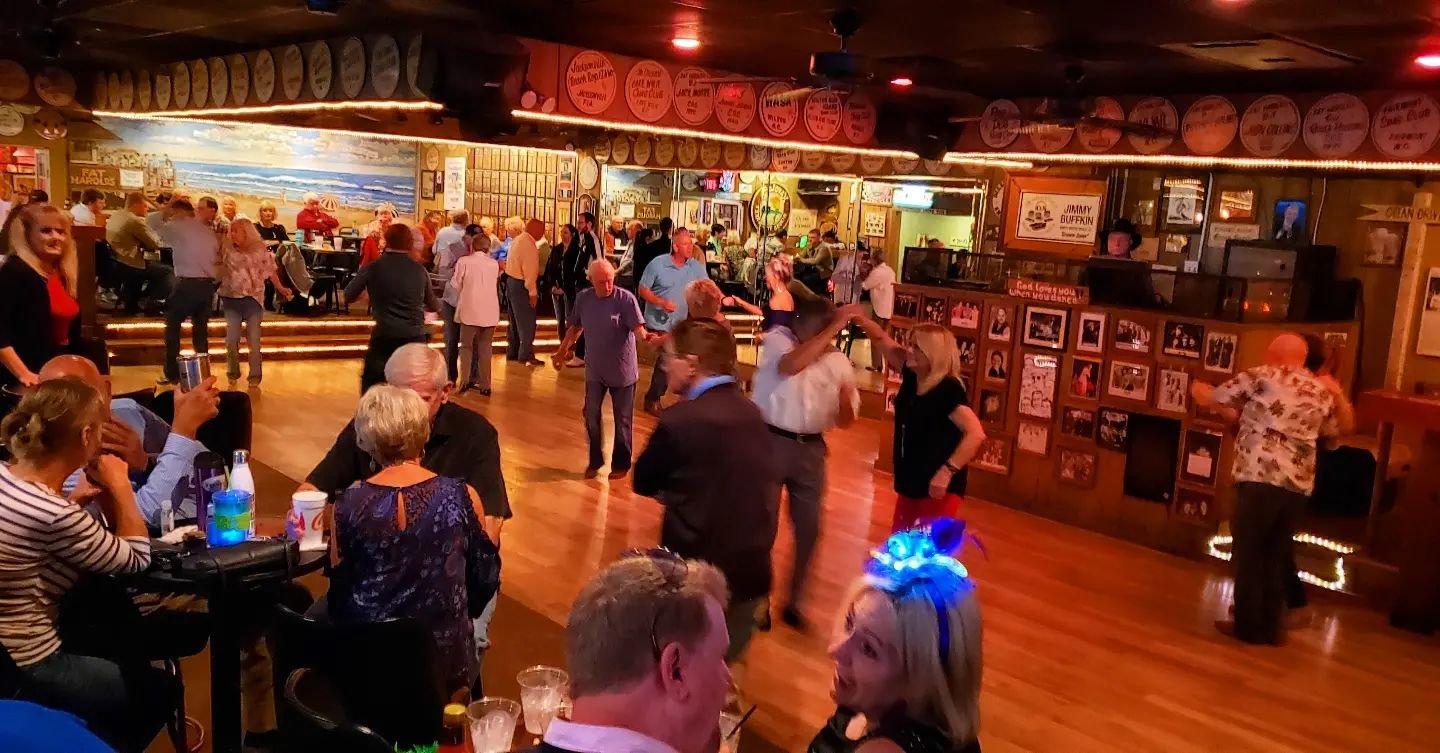
During the post-World War II years, Roberts Pavilion gained fame as the birthplace of the shag dance — South Carolina’s official state dance since 1984. This smooth, syncopated dance became a staple at beach parties and dance halls, with Roberts Pavilion serving as a proving ground for dancers perfecting their moves. The shag remains a symbol of the region’s seaside culture and continues to be celebrated at numerous beach festivals and gatherings.
The Era of Rhythm & Blues and Jukebox Hits
Before the age of digital music, jukeboxes at Roberts Pavilion and other beachside pavilions played the latest rhythm and blues hits, fueling dance floors and creating unforgettable memories. The pavilion became a hub of musical innovation, where the soulful sounds of the 1950s and 1960s echoed along the coast, inspiring generations of beach music lovers.
South Carolina Recognizes Beach Music as State Treasure
In 2001, South Carolina officially designated beach music as the state’s popular music, recognizing its cultural significance and deep roots in the region. Roberts Pavilion, with its storied history and legendary performances, stands as a living monument to this vibrant musical tradition.
A Lasting Legacy and Continued Celebrations
Today, Roberts Pavilion continues to be a cherished landmark, celebrating its rich history while hosting events that honor the beach music genre and the shag dance. It remains a beloved destination for music lovers, dancers, and tourists seeking to experience the spirit of Myrtle Beach’s coastal culture.
Visit Roberts Pavilion
Whether you’re a longtime fan of beach music or new to the shag dance, a visit to Roberts Pavilion offers a glimpse into the soulful history of Myrtle Beach. Feel the ocean breeze, listen to legendary tunes, and dance in a setting that has captivated hearts for nearly a century.